
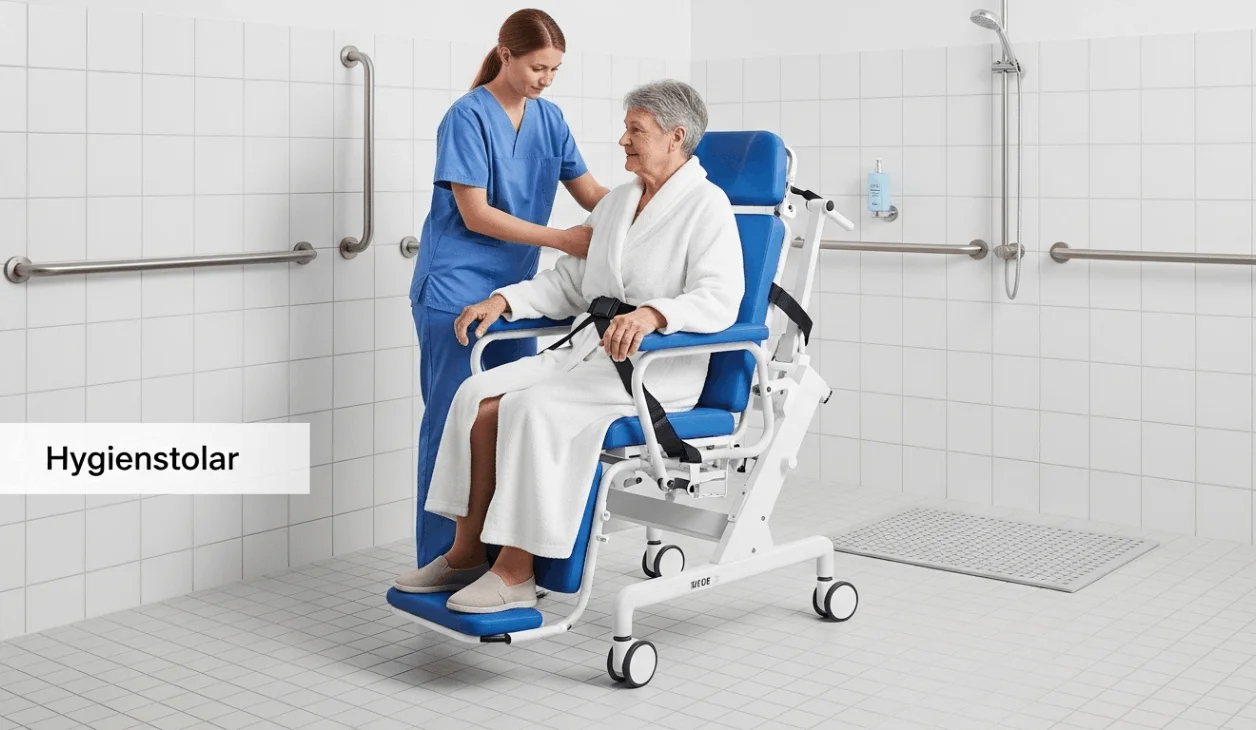
Hygienstolar: Complete Guide to Comfort, Safety, and Modern Care Solutions
In today’s healthcare and home-care environments, hygienstolar play an essential role in improving comfort, safety, and dignity for individuals with reduced mobility. As the demand for practical care solutions increases, these specially designed chairs have become a vital tool in hospitals, nursing homes, and even private households. Moreover, they help caregivers perform daily tasks more efficiently while ensuring users feel secure and supported. This article explores everything you need to know about hygienstolar, from their functions to their benefits and selection tips.
What are Hygienstolar ?
hygienstolar are specially designed hygiene chairs used to assist individuals who have difficulty using standard bathroom facilities. Typically, they are equipped with a seat opening, armrests, and sometimes wheels for easy movement. In many cases, they are used as a safe alternative for toileting, showering, or personal hygiene routines.
In addition, hygienstolar are engineered to reduce physical strain on both users and caregivers. For example, instead of transferring a patient multiple times, the chair allows a smoother and safer process. As a result, they significantly lower the risk of falls or injuries in care environments.
Key features of Hygienstolar
Modern hygienstolar come with a variety of features designed to enhance usability and safety. First of all, most models are built with rust-resistant materials such as coated steel or aluminum, making them suitable for wet environments like bathrooms and showers.
Furthermore, adjustable height settings are a common feature, allowing customization based on user needs. Many hygienstolar also include lockable wheels, which provide stability during use and mobility when needed. In addition, padded seating and ergonomic backrests contribute to overall comfort, especially for individuals who need to remain seated for longer periods.
Another important feature is the detachable or removable bucket system, which ensures easy cleaning and better hygiene maintenance. Therefore, these chairs are not only practical but also highly hygienic and user-friendly.
Benefits of using Hygienstolar
There are numerous advantages associated with hygienstolar, especially in care-focused environments. One of the most important benefits is increased safety. Since many individuals struggle with balance or mobility issues, these chairs significantly reduce the risk of slipping or falling in bathrooms.
Moreover, hygienstolar promote independence. Users who may otherwise require full assistance can perform certain hygiene tasks with greater autonomy. This boost in independence often leads to improved confidence and emotional well-being.
In addition, caregivers benefit greatly from using hygienstolar. They experience less physical strain because transfers and manual lifting are minimized. Consequently, this reduces the likelihood of caregiver injuries, which are common in healthcare settings.
Another key advantage is hygiene control. Because these chairs are designed specifically for sanitary use, they help maintain cleanliness and reduce the spread of infections. Therefore, they are widely used in both professional healthcare facilities and home-care environments.
Types of hygienstolar
There are several different types of hygienstolar, each designed to meet specific needs. Standard models are typically stationary and used in fixed bathroom spaces. These are ideal for individuals who do not require movement between rooms.
On the other hand, mobile hygienstolar come with wheels and braking systems, making them easier to transport. These are particularly useful in hospitals or care homes where patients need to be moved frequently.
Additionally, shower hygienstolar are designed specifically for wet environments. They are made from water-resistant materials and often feature drainage holes to prevent water accumulation. As a result, they are ideal for shower assistance and bathing routines.
There are also foldable models, which are perfect for home use where space is limited. These can be stored easily when not in use, making them highly practical for smaller living environments.
How to choose the right hygienstolar
Selecting the right hygienstolar depends on several important factors. First, consider the user’s mobility level. For individuals with very limited movement, a model with wheels and caregiver assistance features is often the best choice.
Next, evaluate the environment where the chair will be used. For example, in small bathrooms, a compact or foldable model may be more suitable. In contrast, larger healthcare facilities may benefit from more advanced and fully adjustable options.
Furthermore, weight capacity is another crucial factor. Always ensure that the chair can safely support the user’s body weight. In addition, comfort features such as padded seats and armrests should not be overlooked, especially for long-term use.
Finally, ease of cleaning is essential. Since hygiene is a top priority, choosing hygienstolar with removable parts and washable surfaces will make maintenance much easier in the long run.
Maintenance and care of hygienstolar
Proper maintenance is essential to ensure the durability and hygiene of hygienstolar. After each use, the chair should be cleaned thoroughly using appropriate disinfectants. This helps prevent bacterial growth and ensures a safe experience for the next use.
In addition, regular inspection of wheels, locks, and joints is important. Over time, mechanical parts may loosen or wear out, so routine checks help maintain safety and functionality. If any damage is detected, it should be repaired or replaced immediately.
Moreover, storing hygienstolar in a dry environment can extend their lifespan. Even though many models are water-resistant, prolonged exposure to moisture without cleaning can reduce their durability. Therefore, consistent care is key to long-term performance.
Conclusion
In summary, hygienstolar are an essential solution in modern care settings, offering safety, comfort, and improved hygiene for users and caregivers alike. From hospitals to home environments, they provide practical support for individuals with limited mobility while reducing physical strain on caregivers.
Furthermore, their wide range of designs—from stationary to mobile and shower-specific models—ensures that there is a suitable option for nearly every situation. By understanding their features, benefits, and maintenance needs, users can make informed decisions that enhance daily care routines.
Ultimately, investing in the right hygienstolar can significantly improve quality of life, ensuring dignity, safety, and independence for those who need it most.