Gening: Meaning, Uses, and Modern Applications in Digital Creativity
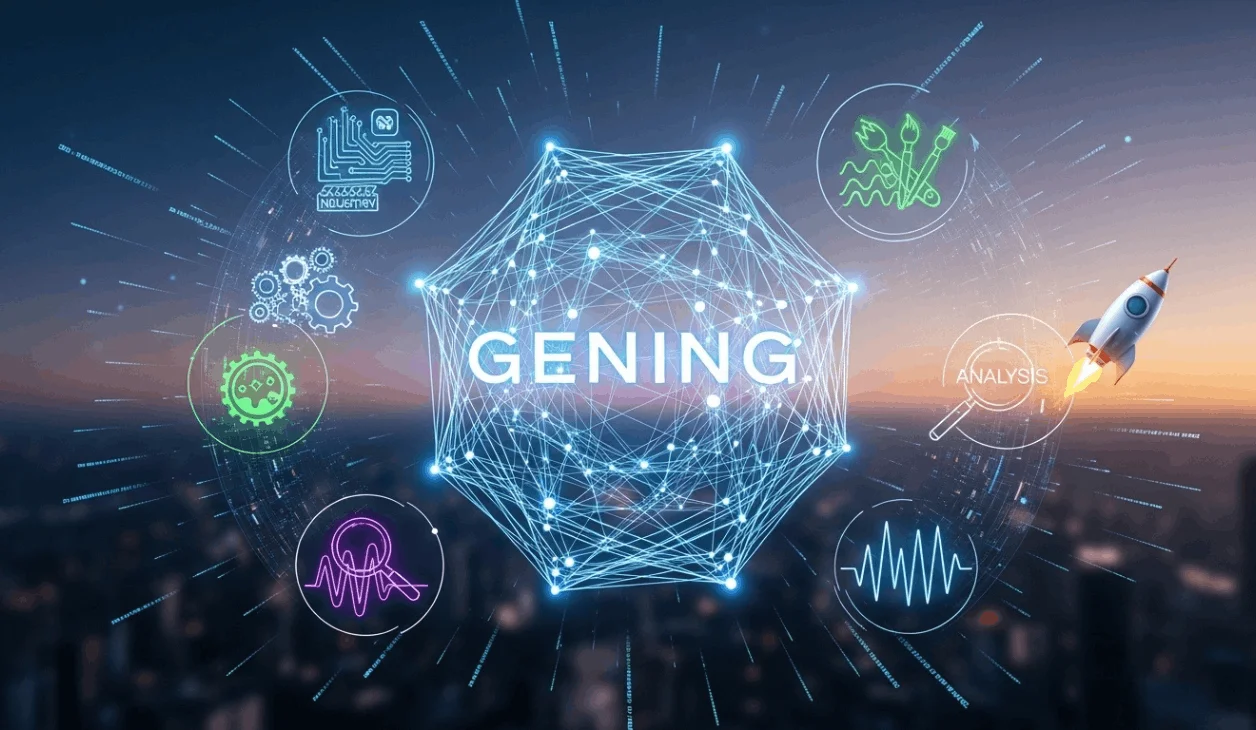
Gening is becoming an increasingly discussed concept in the digital world. At its core, gening refers to the process of generating ideas, content, or systems through structured creativity and innovation. As industries evolve, gening plays a crucial role in shaping how individuals and organizations approach problem-solving. In today’s fast-moving environment, people are constantly looking for smarter ways to create and adapt, and this is where gening becomes highly relevant.
In fact, gening is not limited to one field; instead, it can be applied across technology, design, writing, and even business strategy. Moreover, understanding gening helps professionals adapt to rapidly changing environments. As digital transformation continues to grow, this concept is gaining more attention among creators and innovators who aim to improve efficiency while maintaining originality. It is also influencing how teams collaborate and how ideas are turned into real-world solutions.
What is Gening?
To understand gening more clearly, it can be seen as a structured method of creation where raw ideas are transformed into usable outputs. Unlike traditional approaches, gening focuses on flexibility, experimentation, and continuous improvement. Therefore, gening has become a valuable tool in modern workflows. It encourages individuals to think beyond conventional boundaries and explore multiple possibilities before settling on the most effective solution.
Additionally, gening promotes a mindset of adaptability. Instead of relying on fixed patterns, it allows creators to adjust their direction based on feedback and results. This makes the process more dynamic and suitable for today’s fast-changing industries. As a result, organizations that integrate gening into their systems often experience improved creativity and problem-solving capacity.
Applications of Gening in the Digital World
One of the key areas where gening is widely used is digital content creation. Writers, designers, and marketers use gening to produce engaging and innovative materials. Additionally, gening supports faster idea development and enhances creativity. It helps professionals generate multiple variations of content, which can then be refined based on audience needs and preferences. This leads to more effective communication and stronger engagement.
Furthermore, in the field of technology, gening assists developers in building smarter systems and optimizing workflows. It also helps teams collaborate more effectively by streamlining idea generation. In software development, for example, Creating can support brainstorming sessions, prototype creation, and iterative testing. This reduces development time and improves the overall quality of the final product.
Beyond these areas, Creating is also used in business planning and strategy development. Companies apply it to explore new markets, design innovative products, and improve customer experiences. By encouraging open-ended thinking, Creating allows businesses to discover opportunities that may otherwise remain hidden.
Benefits of Gening
The benefits of gening are significant. It improves efficiency, encourages innovation, and reduces the time needed to move from concept to execution. As a result, organizations that adopt Creating often see improved productivity. Another important advantage is that it helps reduce creative blocks by providing structured pathways for idea generation.
Moreover, Creating enhances collaboration among teams. When individuals share and build upon each other’s ideas, the outcome is often more refined and impactful. It also supports continuous learning, as participants are encouraged to experiment and refine their approaches over time. This makes Creating not just a method, but also a long-term growth strategy for many industries.
Challenges of Gening
However, Creating also comes with certain challenges. It requires consistent practice, proper tools, and a mindset open to experimentation. Without these, the process may become less effective. One common difficulty is maintaining focus while exploring multiple ideas, as too many directions can sometimes lead to confusion.
In addition, organizations may struggle with implementing generation effectively if their teams are not trained in flexible thinking. Resistance to change can also slow down the adoption process. Therefore, proper guidance and structured frameworks are essential to fully benefit from this approach.
The Future of Gening
Looking ahead, Creating is expected to evolve with advancements in artificial intelligence and automation. This evolution will make Creating even more powerful and accessible to a wider audience. As AI tools become more advanced, they will likely enhance the speed and accuracy of idea generation, making creative processes more efficient than ever before.
Furthermore, the integration of intelligent systems will allow generation to become more personalized. Individuals and organizations will be able to tailor creative processes according to their specific needs. This will open new opportunities in education, business, and technology, making innovation more inclusive and widespread.
Conclusion
In conclusion, gening is more than just a trend; it is a powerful approach to innovation and creativity. As more industries adopt it, generation will continue to shape the future of digital transformation. Its ability to combine flexibility, efficiency, and creativity makes it an essential concept in today’s world.
Ultimately, gening empowers individuals and organizations to think differently, act strategically, and create meaningful outcomes. As the digital landscape continues to evolve, this approach will remain a key driver of progress and innovation across multiple fields.