
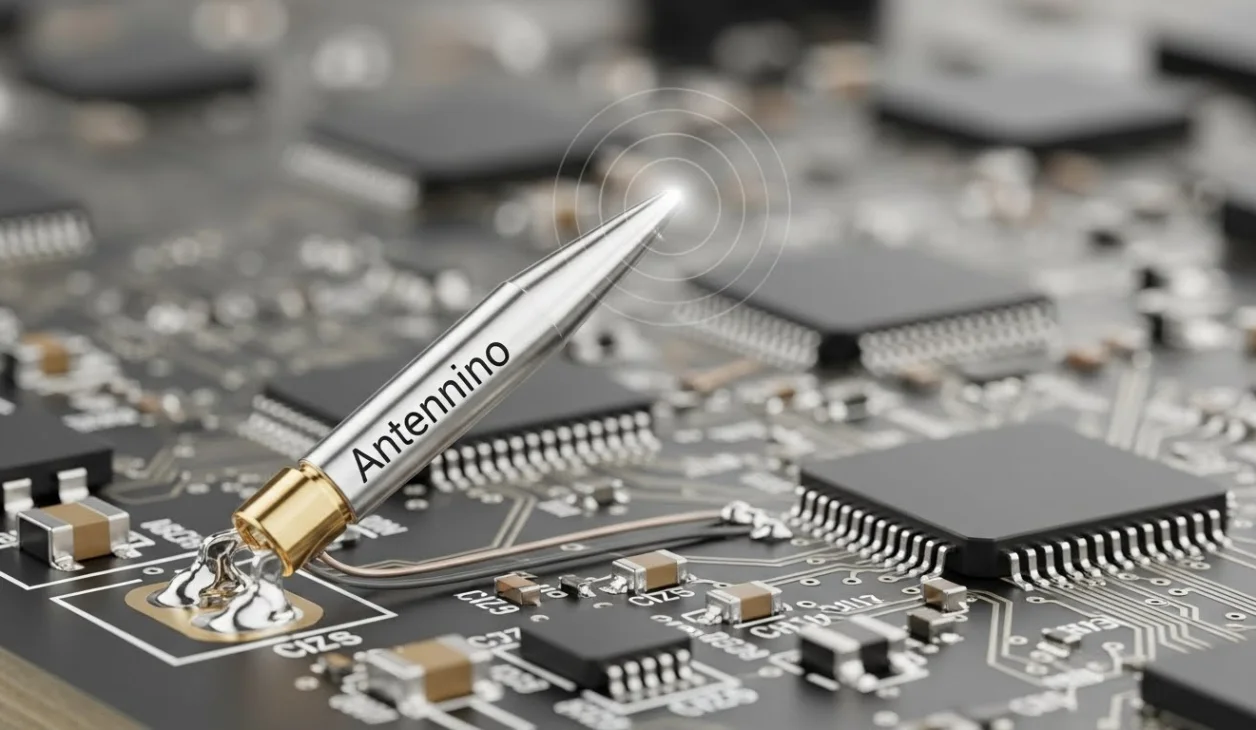
Antennino: Understanding Its Role in Modern Wireless Technology
In today’s hyper-connected world, wireless communication plays a vital role in how devices interact with each other. From smartphones and vehicles to IoT devices and industrial systems, compact signal components are everywhere. One such essential yet often overlooked component is the antennino. Although small in size, it plays a critical role in ensuring stable and efficient signal transmission across various technologies.
This article explores what an antennino is, how it works, its applications, and why it has become increasingly important in modern communication systems.
What Is an Antennino?
An antennino is a small antenna designed to transmit and receive radio frequency signals in compact electronic devices. The term is commonly used to describe miniature or internal antennas that prioritize efficiency while occupying minimal space. Unlike large external antennas, these compact solutions are engineered to blend seamlessly into device designs without compromising performance.
Moreover, as devices continue to shrink while becoming more powerful, the demand for smaller antenna solutions has grown significantly. As a result, this type of antenna has become a preferred choice in modern electronics.
How Antennino Technology Works
At its core, an antennino functions by converting electrical signals into electromagnetic waves and vice versa. These waves then travel through the air to establish communication between devices. Although the principle is similar to standard antennas, the difference lies in optimization.
Because of their compact size, these antennas are carefully tuned to specific frequencies. Consequently, they can deliver reliable connectivity even within space-constrained environments. In addition, advanced materials and design techniques help reduce signal loss and interference, ensuring consistent performance.
Key Applications of Antennino
The use of antennino technology spans multiple industries. Below are some of the most common applications where it proves invaluable.
Consumer Electronics
Smartphones, tablets, smartwatches, and wireless earbuds all rely heavily on miniature antennas. These devices require uninterrupted connectivity for Bluetooth, Wi-Fi, and cellular networks. Therefore, compact antenna solutions are essential for maintaining signal quality without increasing device size.
Automotive Industry
Modern vehicles integrate various wireless systems, such as GPS navigation, keyless entry, tire pressure monitoring, and infotainment connectivity. In this context, an antennino helps ensure seamless communication while fitting discreetly within the vehicle’s structure.
Internet of Things (IoT)
IoT devices are often small and battery-powered, making space and energy efficiency crucial. These devices depend on reliable antennas to transmit data to central systems. Consequently, compact antenna solutions are ideal for smart home devices, environmental sensors, and wearable technology.
Industrial and Medical Equipment
In industrial automation and medical monitoring, wireless accuracy is critical. Small antennas are used in equipment that requires precision and durability, especially where external antennas may not be practical.
Advantages of Using Antennino Solutions
There are several reasons why this antenna type has gained popularity across industries.
First, its compact size allows manufacturers to design sleek and lightweight products. This is particularly important in competitive consumer markets where aesthetics matter.
Second, it offers flexibility in placement. Since it can be embedded within devices, designers have more freedom to optimize layouts without external protrusions.
Third, advancements in antenna engineering have improved efficiency despite reduced size. As a result, users experience stable connections even in challenging environments.
Finally, cost-effectiveness also plays a role. Once integrated into device designs, these antennas reduce the need for additional components, helping to streamline production.
Challenges and Limitations
Despite its advantages, using an antennino does present some challenges. Because of its small size, it may be more sensitive to interference caused by nearby electronic components. Therefore, careful design and placement are essential.
Additionally, tuning these antennas to support multiple frequencies can be complex. However, ongoing research and development continue to address these issues through innovative designs and materials.
The Future of Antennino Technology
As wireless standards evolve, the role of compact antennas is expected to grow even further. Technologies such as 5G, smart cities, and advanced IoT ecosystems will require efficient communication components that fit into increasingly smaller devices.
Furthermore, the integration of artificial intelligence and machine learning into hardware design is helping engineers optimize antenna performance more accurately than ever before. Consequently, future antenna solutions will likely be more adaptive, energy-efficient, and versatile.
In addition, sustainability is becoming a key consideration. Manufacturers are now exploring eco-friendly materials and production methods, which could influence how these antennas are designed and deployed in the coming years.
Choosing the Right Antennino for Your Application
Selecting the right antenna depends on several factors, including frequency range, device size, operating environment, and power requirements. For instance, a wearable device may require a different configuration than an industrial sensor.
Therefore, it is important to evaluate performance specifications carefully and, when possible, test antenna behavior in real-world conditions. This approach ensures optimal connectivity and long-term reliability.
Final Thoughts
Although often hidden from view, the antennino plays a crucial role in keeping modern technology connected. Its compact design, versatility, and growing efficiency make it an essential component across a wide range of applications. As wireless communication continues to expand, the importance of these miniature antennas will only increase.
By understanding how this technology works and where it is used, businesses and consumers alike can better appreciate the innovation behind everyday connectivity. Ultimately, even the smallest components can have a powerful impact on how we stay connected in a digital world.