Kibard: Building a Distinctive Presence Online
In today’s fast-evolving digital world, efficiency and comfort are just as important as performance. One emerging concept that reflects this balance is Kibard. While kibard is not a widely recognized product or company, it represents a modern idea centered on user-focused input systems, efficiency, and innovative design. Often, it is used as a descriptive term for advanced, ergonomic, and customizable keyboards, but the concept extends beyond physical devices to any digital system designed to enhance usability.
Understanding kibard provides insights into how technology can adapt to human needs rather than forcing users to adapt to technology.
What Is Kibard?
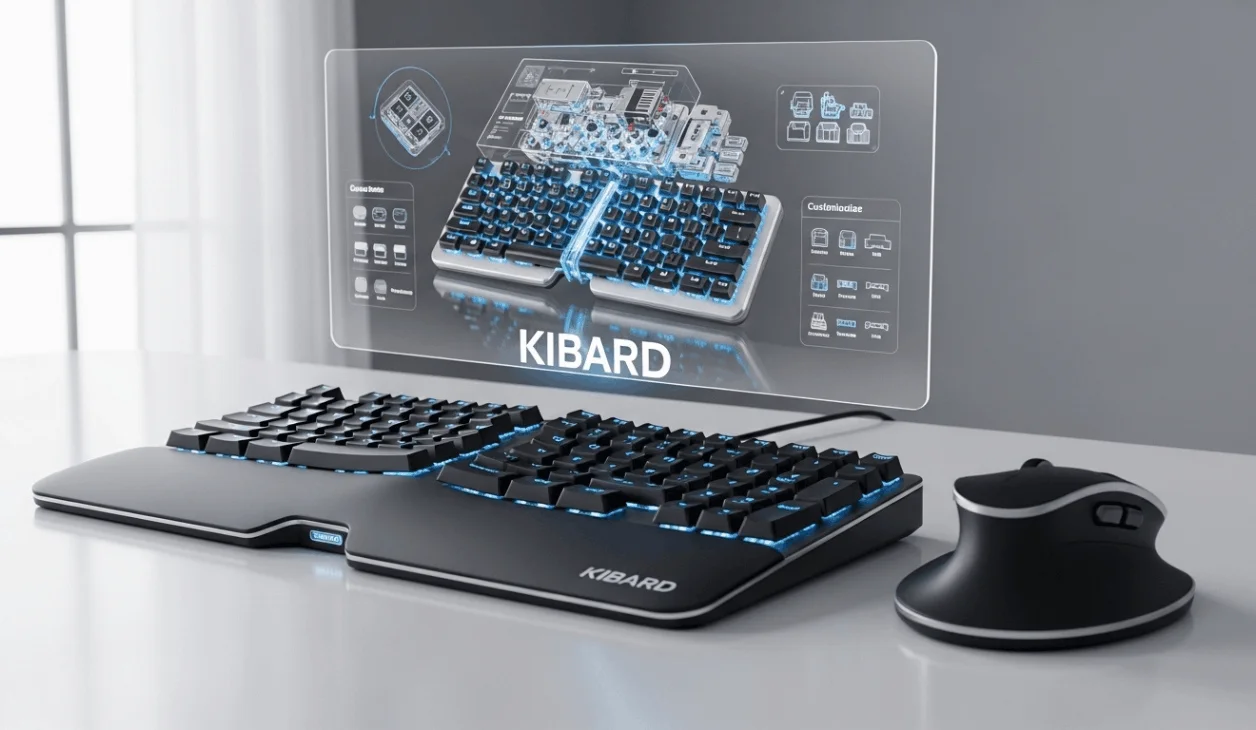
Kibard is more than a word—it’s a design philosophy. At its core, it emphasizes creating digital tools and systems that are intuitive, flexible, and efficient. Unlike traditional keyboards or input devices that follow generic layouts, kibard-inspired designs focus on the user’s natural movements and preferences.
Key characteristics of Kybord include:
-
Ergonomic layouts that reduce strain and fatigue
-
Adaptability to different user preferences
-
Features that enhance speed and workflow efficiency
-
Designs that blend functionality with comfort
Because it is not tied to any single product, Kybord serves as a guiding principle for designers, developers, and users seeking to create or interact with more human-centered technology.
The Appeal of Kibard
The rise of kibard reflects the growing importance of user-centered design in modern technology. Users are increasingly seeking systems that are not only functional but also intuitive and comfortable.
Kibard appeals to digital users for several reasons:
-
Efficiency – Tools designed with kibard principles streamline workflow, allowing users to perform tasks faster.
-
Customization – Whether adjusting key layouts, sensitivities, or interface settings, kibard systems can be tailored to the user.
-
Ergonomics – Reducing strain on hands, wrists, and fingers is central to the kibard concept, making prolonged usage more comfortable.
-
Innovation – Kibard inspires creative solutions that rethink traditional approaches to input systems.
By combining these qualities, kibard represents a modern approach to digital interaction that prioritizes both performance and well-being.
Ergonomic Focus in Kibard
One of the most important aspects of kibard is ergonomic design. Traditional keyboards and input systems often fail to accommodate different hand sizes, postures, and usage patterns. This can lead to discomfort, fatigue, and even long-term strain.
Kibard-inspired devices or interfaces aim to solve these challenges by:
-
Placing keys and controls in positions that match natural finger movements
-
Offering adjustable heights, angles, and key sensitivity
-
Minimizing repetitive stress and enhancing comfort during extended use
-
Incorporating tactile and visual feedback to improve precision and reduce errors
These features make kibard a benchmark for healthy, user-friendly technology, especially for professionals who spend long hours typing or using digital tools.
Customization and Adaptability
A defining feature of Kybord is its emphasis on customization. Users can adjust the system to match their workflow, habits, or physical needs. For example:
-
Programmable keys and shortcuts for software efficiency
-
Adjustable key resistance or travel distance for personal comfort
-
Layout changes to accommodate ergonomic preferences
-
Visual and tactile feedback options to suit user needs
This adaptability not only improves comfort but also allows users to maximize productivity. By aligning technology with individual habits and preferences, kibard makes digital interaction more natural and enjoyable.
Kibard Beyond Physical Keyboards
While often associated with keyboards, Kybord is a broader concept. It can apply to any digital interface or system designed with user focus in mind. Examples include:
-
Virtual input systems and touchscreens optimized for ergonomics
-
Customizable software interfaces that enhance workflow efficiency
-
Gaming peripherals designed for both comfort and performance
-
Smart devices with adjustable controls for user convenience
In all these applications, the core principle remains the same: technology should adapt to the user, not the other way around
Why Kibard Matters
The significance of kibard lies in its user-centered approach. In an era where digital tools dominate daily life, designing systems that respect human comfort and efficiency is essential. Kibard encourages developers and designers to rethink conventional approaches and create solutions that reduce strain, improve workflow, and enhance user satisfaction.
Moreover, the concept inspires innovation. By prioritizing user needs, Kybord pushes designers to explore creative solutions that go beyond generic layouts or rigid system designs.
The Future of Kibard
As technology continues to advance, Kybord has the potential to influence the next generation of digital input systems. Its principles could guide innovations in ergonomic keyboards, customizable interfaces, and user-focused software.
With growing awareness of ergonomic health and digital productivity, Kybord could become a standard framework for designing tools that improve both efficiency and comfort. Over time, the term may evolve from a descriptive concept into a recognized approach embraced by both consumers and manufacturers.
Final Thoughts
In conclusion, Kybord represents a modern, user-centered approach to digital design. While it is not a specific product or company, it embodies the ideals of ergonomics, customization, efficiency, and innovative design. Whether applied to physical keyboards or digital interfaces, Kybord encourages technology to adapt to human needs, creating systems that are both comfortable and effective.
By focusing on these principles, designers and users can ensure that technology serves people better, enhancing both productivity and well-being in the digital age.