Transds: Revolutionizing Data Management for Modern Businesses
In today’s digital era, managing data efficiently is no longer optional—it’s essential. Businesses of all sizes generate massive amounts of information daily, and handling it manually is time-consuming and prone to errors. This is where transds comes in. Designed to simplify data operations, transds helps organizations streamline processes, reduce mistakes, and optimize overall efficiency. Whether you are a small startup or a large enterprise, adopting transds can dramatically improve how you manage information.
What is Transds?
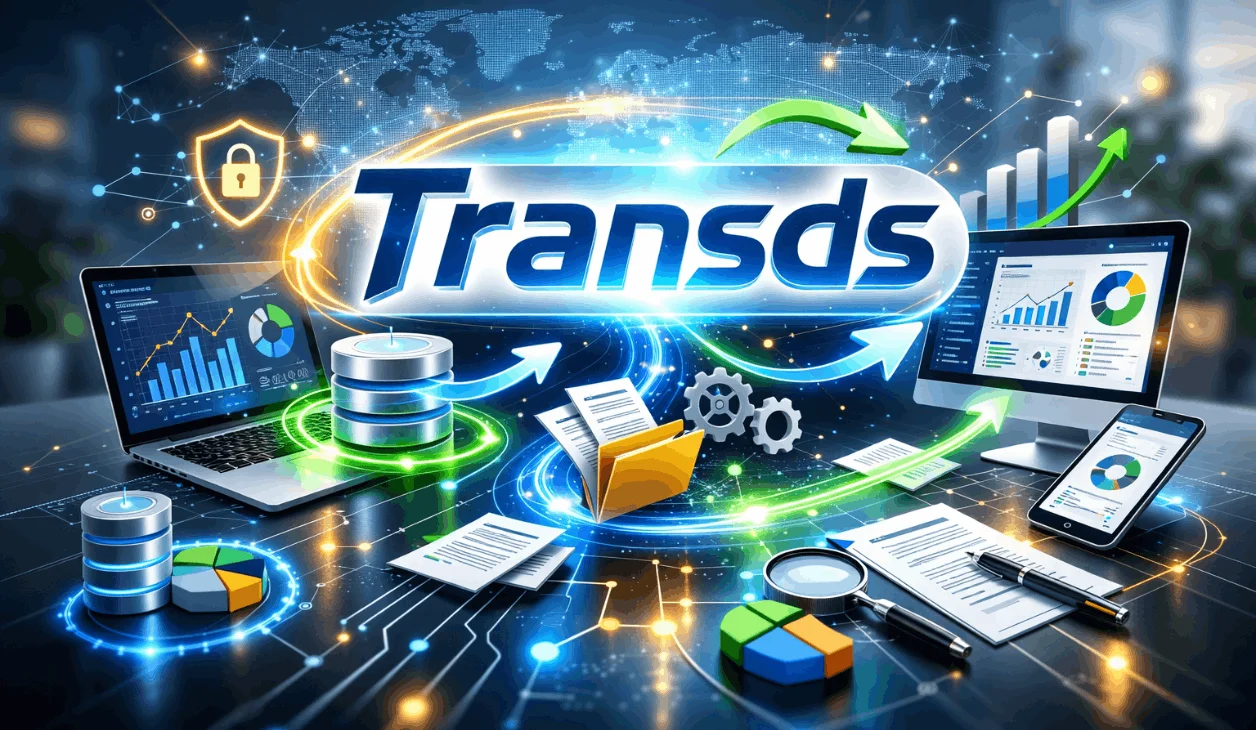
Transds is an advanced system for data transformation and transfer. Unlike traditional manual methods, it automates repetitive tasks and ensures data flows smoothly across multiple platforms. By centralizing operations, transds not only saves time but also reduces the likelihood of human error. Its intuitive design allows both technical and non-technical users to leverage its features efficiently.
The core functionality of transds revolves around three main principles: automation, security, and accuracy. With these in place, businesses can handle complex data sets without disruptions, making transds an indispensable tool in modern operations.
Key Features of Transds
The effectiveness of transds lies in its robust features:
-
Automated Data Transfer – Ensures seamless movement of information between systems without manual intervention.
-
Advanced Security – Employs encryption and protocols to protect sensitive data from breaches.
-
Real-Time Analytics – Provides instant insights, enabling faster and more informed decision-making.
-
User-Friendly Interface – Accessible for both beginners and experienced professionals, reducing learning curves.
-
Scalability – Adapts to growing business needs, handling larger datasets efficiently.
These features make data system a versatile tool for businesses across industries, whether handling finance, customer data, or operational metrics.
Benefits of Using Transds
Implementing data system comes with numerous advantages:
-
Improved Efficiency – Automation of routine tasks allows teams to focus on strategic activities.
-
Error Reduction – Minimizes mistakes caused by manual data entry.
-
Cost Savings – Optimized workflows lead to reduced operational costs.
-
Enhanced Collaboration – Centralized data improves communication and teamwork across departments.
-
Reliable Insights – Accurate real-time data ensures informed decision-making.
The benefits of data system extend beyond just operations; it also enhances strategic planning and resource allocation, helping businesses gain a competitive edge.
How Transds Transforms Business Operations
The impact of data system on business efficiency is substantial:
-
Streamlined Workflows – Automates complex processes that once consumed hours of manual effort.
-
Faster Decision-Making – Access to real-time analytics allows managers to act quickly and effectively.
-
Seamless Integration – Compatible with existing software systems, ensuring smooth adoption.
-
Scalable Solutions – Handles increasing volumes of data as businesses grow without performance issues.
By leveraging data system, organizations can enhance operational efficiency and allocate resources more effectively, ultimately boosting productivity and revenue.
Who Can Benefit from Transds?
While data system is useful across multiple sectors, some groups benefit the most:
-
Small and Medium Enterprises (SMEs) – Affordable solution to optimize operations and improve competitiveness.
-
Data-Driven Companies – Ensures accurate, timely information for strategic planning and reporting.
-
IT Professionals – Simplifies complex data tasks, freeing time for innovation.
-
E-commerce Platforms – Integrates customer, sales, and inventory data seamlessly for better management.
Essentially, any business looking to streamline workflows, improve accuracy, and enhance data-driven decision-making can benefit from data system.
Getting Started with Transds
Implementing data system is straightforward if approached strategically:
-
Identify Key Processes – Determine which workflows require automation and integration.
-
Choose the Right Plan – Select a transds package that fits your business size and needs.
-
Leverage Training & Support – Tutorials and customer support help ensure smooth adoption.
-
Monitor and Optimize – Continuously evaluate system performance and make adjustments to maximize efficiency.
By following these steps, businesses can quickly start reaping the benefits of data system.
The Future of Transds
The future of transds looks promising with advancements in AI, machine learning, and cloud technology. Predictive analytics, smarter automation, and enhanced data security are expected to become standard features. Businesses that adopt data system early will gain a significant advantage, managing data efficiently while staying competitive in a rapidly evolving market.
Moreover, transds’ adaptability ensures it will continue to meet the needs of businesses of all sizes, from startups to large enterprises. By offering streamlined workflows, secure data management, and real-time insights, it positions companies for long-term success.
Conclusion
In conclusion, transds is a powerful solution for modern data management. Its automation, scalability, and security features make it an essential tool for businesses seeking efficiency, accuracy, and growth. By integrating transds into daily operations, organizations can reduce errors, save time, and make smarter decisions.
Whether managing a small team or a large enterprise, transds provides the tools necessary to ensure data flows seamlessly, processes are optimized, and business outcomes are improved. The growing importance of efficient data management makes transds not just a tool, but a strategic advantage for any business aiming to thrive in today’s digital landscape.