Asbestlint: Understanding Asbestos Tape, Its Uses, and Associated Risks
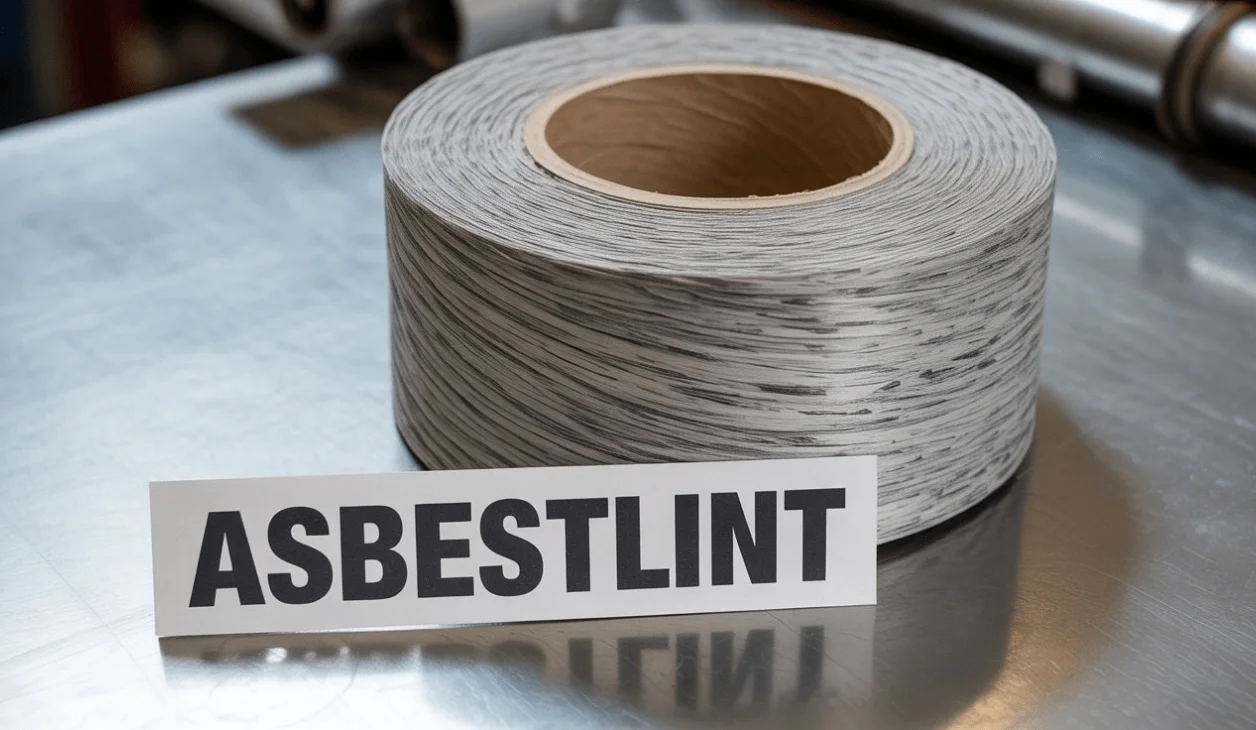
Asbestlint, commonly known as asbestos tape or asbestos strip, is a hazardous material made from asbestos fibers woven into thin, flexible bands. Historically, it was widely used in construction and industrial applications due to its excellent heat resistance and durability. However, growing awareness of its serious health risks has significantly changed how it is viewed and handled today.
This article explains what asbestlint is, why it was used, where it can still be found, and why proper awareness is essential.
What Is Asbestlint?
Asbestlint refers to asbestos-based tape or strip material manufactured from tightly woven asbestos fibers. These fibers give the material exceptional resistance to heat, fire, and chemical damage. As a result, it became a popular insulation and sealing solution in high-temperature environments.
Although effective in performance, asbestlint is now classified as dangerous because asbestos fibers can become airborne when disturbed. Once inhaled, these fibers pose serious long-term health risks.
Why Asbestlint Was Widely Used
In the past, industries prioritized performance and cost-efficiency. Therefore, asbestos tape gained popularity for several reasons. First, it could withstand extremely high temperatures without burning. Second, it provided strong insulation for pipes, boilers, and electrical components. Finally, it was flexible and easy to apply in tight or irregular spaces.
Because of these advantages, asbestlint was commonly installed in factories, power plants, ships, and residential buildings, especially during the mid-20th century.
Common Applications of Asbestos Tape
Before regulations became strict, asbestlint was used in many areas. For example, it was wrapped around hot water pipes to prevent heat loss. Similarly, it was applied to ducts, furnaces, and exhaust systems for thermal insulation.
In addition, asbestos tape was often used as fireproof sealing around doors, panels, and joints. Due to its strength, it also appeared in machinery and industrial equipment exposed to constant heat.
Health Risks Associated With Asbestlint
Although asbestlint performed well technically, its health impact is severe. When asbestos fibers are released into the air and inhaled, they can lodge deep in the lungs. Over time, this exposure may cause serious diseases.
Most importantly, asbestos exposure is linked to asbestosis, lung cancer, and mesothelioma. These illnesses often develop years after exposure, which makes asbestos particularly dangerous. Therefore, even limited or past contact can have long-term consequences.
Where Asbestlint May Still Be Found Today
Despite bans and regulations, asbestlint may still exist in older buildings and facilities. For instance, structures built before asbestos restrictions often contain asbestos tape around pipes or heating systems.
Moreover, abandoned industrial sites and outdated equipment may still have asbestos strips intact. Because of this, renovations and repairs in older buildings require extra caution and professional inspection.
Legal Regulations and Safety Measures
Due to the proven health risks, many countries have imposed strict regulations on asbestos materials. In most regions, the production and sale of asbestlint are banned. However, existing materials are often managed rather than immediately removed.
Importantly, only licensed professionals are allowed to handle or remove asbestos tape. This ensures that fibers do not spread during removal. Proper containment, protective equipment, and disposal methods are legally required.
Safe Handling and Removal Practices
If asbestlint is suspected, it should never be disturbed by untrained individuals. Cutting, tearing, or scraping asbestos tape can release dangerous fibers into the air. Therefore, professional assessment is essential.
Certified asbestos removal teams follow strict procedures. They seal off the area, use specialized tools, and ensure safe disposal according to environmental guidelines. As a result, the risk to occupants and workers is minimized.
Modern Alternatives to Asbestlint
Today, safer alternatives have replaced asbestos tape in most applications. For example, fiberglass tape, ceramic fiber tape, and other synthetic heat-resistant materials offer similar performance without health risks.
These modern materials are not only safer but also comply with current safety standards. Consequently, industries no longer rely on asbestos-based solutions.
Importance of Awareness and Education
Understanding what asbestlint is and why it is dangerous plays a crucial role in public safety. Many people remain unaware that older buildings may still contain asbestos tape. Therefore, education helps prevent accidental exposure.
Furthermore, property owners, contractors, and workers must stay informed about asbestos regulations. This awareness ensures that renovations and maintenance are carried out responsibly.
Conclusion
In conclusion, asbestlint, or asbestos tape, is a thin, flexible strip made from woven asbestos fibers that was once widely used for insulation and fire resistance. Although effective in high-temperature environments, it poses serious health risks when disturbed.
Today, strict regulations and safer alternatives have reduced its use. Nevertheless, existing asbestos tape in older structures remains a concern. By understanding its properties, risks, and proper handling methods, individuals and industries can protect themselves and others from long-term harm.
Awareness, professional management, and compliance with safety laws are essential when dealing with any asbestos-containing material.