
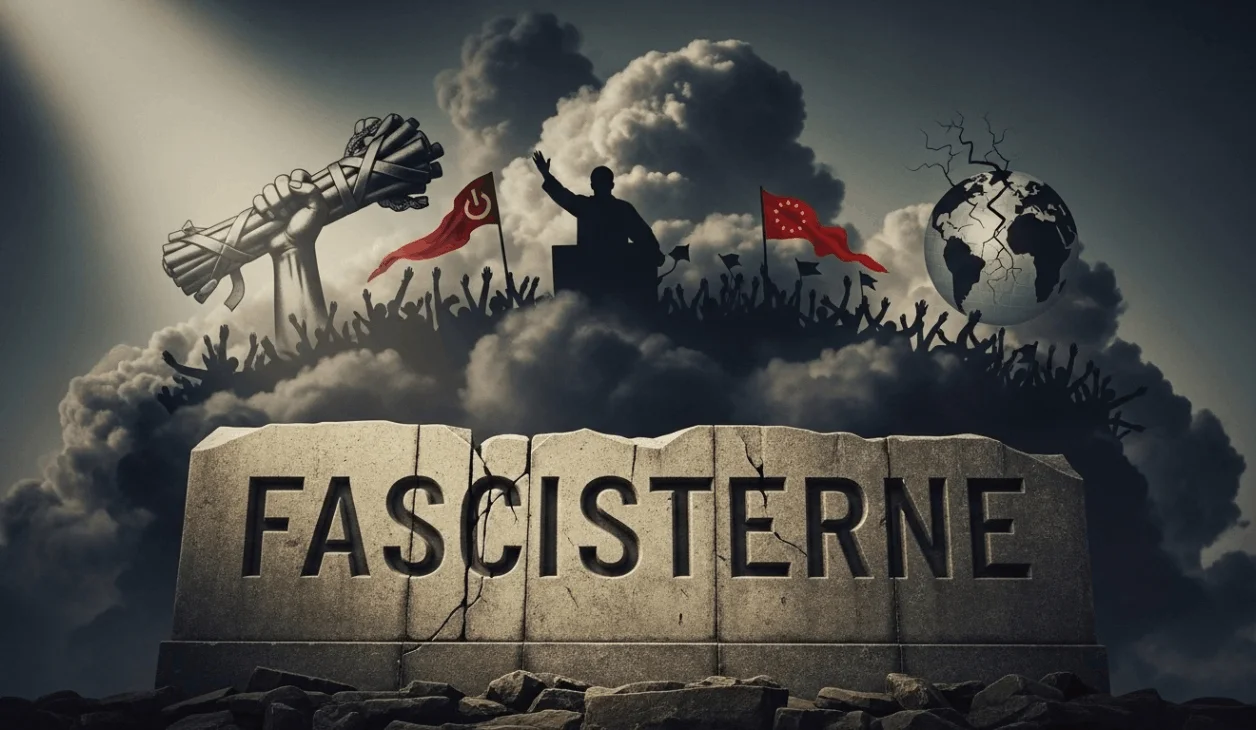
Fascisterne: Understanding the History, Ideology, and Lasting Impact
The term fascisterne refers to followers or supporters of fascism, a political ideology that emerged in Europe during the early twentieth century. Although the ideology originated in specific historical conditions, its influence and discussion continue today in political, historical, and academic conversations. Understanding fascisterne requires exploring the roots of fascism, its key characteristics, and the impact it had on societies around the world.
Throughout history, fascism has been associated with authoritarian leadership, strong nationalism, and strict social control. Consequently, studying fascisterne helps people better understand how political movements develop and why certain ideas gain influence during periods of uncertainty.
The Origins of Fascisterne
The emergence of fascisterne is closely tied to the political instability that followed World War I. Many European countries experienced economic crises, social unrest, and widespread dissatisfaction with existing political systems. In this environment, fascist movements promised order, national strength, and unity.
One of the earliest and most influential fascist leaders was Benito Mussolini in Italy. In 1922, Mussolini and his supporters established a fascist government that emphasized strong leadership and national revival. As a result, the ideology quickly spread and inspired similar movements in other countries.
Meanwhile, in Germany, Adolf Hitler rose to power by promoting extreme nationalism and authoritarian rule. Although Nazism had its own unique characteristics, it shared many ideological similarities with fascism. Consequently, the rise of fascisterne in Europe dramatically reshaped global politics during the 1930s and 1940s.
Core Ideological Principles
To fully understand fascisterne, it is essential to explore the core principles of fascist ideology. While specific movements differed from one country to another, several key ideas consistently appeared across fascist systems.
Authoritarian Leadership
Fascist movements typically revolve around a powerful leader who holds significant control over the state. In such systems, democratic institutions and political opposition are often suppressed. Supporters believed that a single strong authority could guide the nation more effectively than democratic governments.
Extreme Nationalism
Another defining element associated with fascisterne is intense nationalism. Fascist ideology often promotes the idea that the nation should be unified under a single identity and purpose. As a result, cultural diversity and political pluralism were frequently discouraged or even persecuted.
Control of Society and Media
Fascist regimes commonly exert strong influence over education, media, and cultural institutions. By controlling information, leaders sought to shape public opinion and strengthen loyalty to the state. Consequently, propaganda became an essential tool used by fascisterne to maintain power and influence.
Opposition to Liberal Democracy
Fascist ideology strongly rejects liberal democratic systems. Instead of supporting open political competition and individual freedoms, fascism emphasizes obedience, hierarchy, and national unity. Because of this, fascisterne often view democracy as weak or ineffective.
The Role of Fascisterne in World War II
The actions of fascisterne had profound consequences during the period leading up to and including World War II. Fascist governments pursued aggressive expansionist policies, seeking to increase national power and territory.
In Germany, Hitler’s regime pursued military expansion that eventually triggered global conflict. Similarly, Mussolini’s Italy engaged in imperial ambitions across Africa and the Mediterranean region. These policies contributed to rising tensions among major powers and ultimately led to one of the most devastating wars in human history.
Furthermore, fascist regimes carried out widespread repression and persecution. Millions of people suffered under policies targeting political opponents, ethnic minorities, and other groups. Because of these actions, fascisterne remain closely associated with some of the darkest chapters in modern history.
The Decline of Fascist Movements
By the end of World War II, the power of fascisterne had dramatically declined. Allied military victories led to the collapse of fascist governments in Italy and Germany. Afterward, many countries worked to rebuild democratic institutions and prevent the re-emergence of authoritarian systems.
International organizations and political alliances were also created to promote peace and cooperation. These efforts aimed to ensure that the destructive consequences of fascism would not be repeated. As a result, fascisterne lost much of the political influence they once held during the early twentieth century.
Nevertheless, the study of fascism continues because historians and political scientists seek to understand how such movements gain support. By analyzing the conditions that allowed fascisterne to rise in the past, societies can better recognize warning signs in the future.
Modern Discussions and Historical Reflection
Today, the concept of fascisterne often appears in historical analysis, political debates, and educational discussions. Scholars examine fascism not only as a historical phenomenon but also as a reminder of how fragile democratic institutions can be during periods of crisis.
Importantly, the term is sometimes used in modern political rhetoric. However, historians caution that it should be applied carefully and accurately. Overusing or misusing the term can blur important distinctions between different political ideologies and historical contexts.
At the same time, studying fascisterne remains valuable because it encourages reflection on the importance of civil liberties, democratic governance, and responsible political leadership.
Why Understanding Fascisterne Still Matters
Although the major fascist regimes of the twentieth century have long since collapsed, their legacy continues to influence global history and political thought. The experiences associated with fascisterne demonstrate how economic hardship, social fear, and political instability can create opportunities for extreme ideologies.
Moreover, examining this history helps individuals recognize the importance of protecting democratic values such as free speech, independent institutions, and political accountability. When societies remain aware of the past, they are better equipped to address challenges in the present.
Conclusion
The history of fascisterne offers an important lesson about the power of political ideas and the consequences they can produce. Emerging from a period of instability after World War I, fascist movements promised strength and unity but ultimately led to repression, conflict, and global devastation.
By studying fascisterne and their influence on twentieth-century history, readers gain a deeper understanding of how political systems evolve and why vigilance is necessary to protect democratic societies. Although the era of fascist dominance has ended, the historical lessons remain highly relevant in discussions about governance, leadership, and the future of political freedom.