
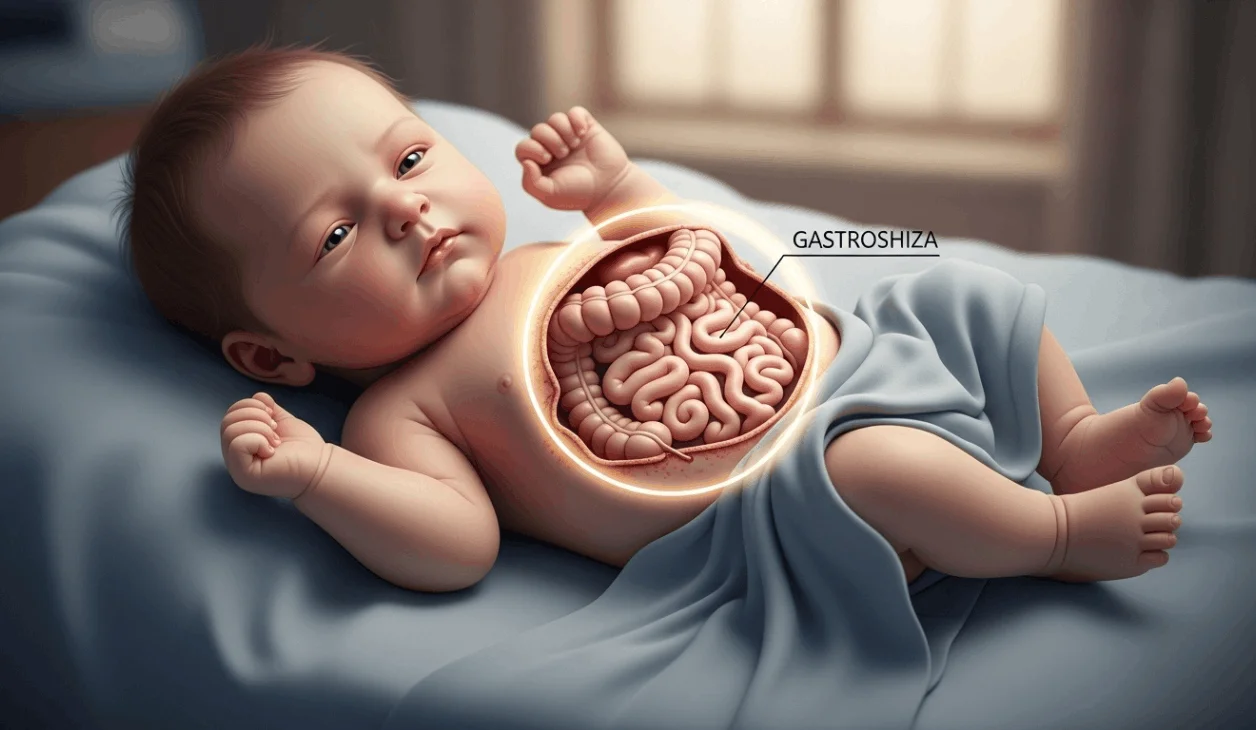
Gastroshiza: Causes, Symptoms, Treatment, and Hope for Families
Gastroshiza is a rare but serious birth condition that affects newborn babies and requires prompt medical attention. Although the term may sound unfamiliar to many parents, understanding this condition can make a meaningful difference in early diagnosis, treatment, and long-term outcomes. Fortunately, with modern medical care, many babies born with this condition grow up to live healthy lives.
In this guide, you will learn what this condition is, why it happens, how it is treated, and what families can expect. Moreover, we will explore practical and emotional support strategies for parents navigating this journey.
What Is Gastroshiza?
Gastroshiza is a congenital (present at birth) condition in which a baby is born with a hole in the abdominal wall. As a result, the intestines—and sometimes other organs—develop outside the baby’s body. Typically, this opening appears to the right of the belly button.
Unlike some other abdominal wall defects, the exposed organs are not covered by a protective sac. Therefore, they are directly exposed to amniotic fluid during pregnancy, which can irritate and inflame the intestines. Because of this exposure, babies often need surgery soon after birth.
What Causes Gastroshiza?
The exact cause of gastroshiza is still not fully understood. However, researchers believe it results from a combination of genetic and environmental factors. For instance, certain influences during early pregnancy may affect how the abdominal wall forms.
Some factors that studies have associated with higher risk include:
-
Young maternal age
-
Poor nutrition during pregnancy
-
Tobacco or substance use
-
Certain infections or medications
Nevertheless, it is important to note that many mothers of affected babies have no clear risk factors. Therefore, parents should not blame themselves if their baby is diagnosed with this condition.
How Is It Diagnosed?
In many cases, gastroshiza is detected before birth through routine prenatal ultrasounds. Doctors may notice loops of intestine floating outside the baby’s abdomen. Additionally, elevated levels of certain proteins in maternal blood tests can signal a possible abdominal wall issue.
Early diagnosis is beneficial because it allows doctors to plan delivery and immediate care. For example, the healthcare team can arrange for birth at a hospital with neonatal surgery capabilities. Consequently, the baby can receive treatment without delay.
Symptoms at Birth
When a baby with gastroshiza is born, the condition is usually visible right away. The primary sign is the presence of intestines outside the abdominal wall. Along with this, babies may experience:
-
Swelling or irritation of the intestines
-
Difficulty feeding at first
-
Slower digestion
-
Increased risk of infection
Even though this can look frightening, neonatal specialists are well trained to manage it. As a result, outcomes today are far better than in the past.
Treatment Options
Treatment for gastroshiza almost always involves surgery. However, the timing and type depend on the baby’s condition.
1. Immediate Protection
Right after birth, doctors carefully protect the exposed organs. For instance, they may cover them with a sterile dressing or a special medical pouch to prevent infection and moisture loss.
2. Surgical Repair
Next, surgeons work to place the organs back into the abdomen and close the opening. Sometimes this is done in one surgery. However, if the baby’s abdomen is too small to hold everything at once, doctors use a staged approach. In that case, the organs are gradually moved back over several days.
3. Recovery and Feeding
After surgery, babies usually stay in the neonatal intensive care unit (NICU). During this time, they receive nutrition through an IV until their intestines function properly. Gradually, feeding by mouth or tube begins.
Although recovery can take weeks, many babies respond well to treatment. Consequently, long-term survival rates are high with proper care.
Long-Term Outlook
The long-term outlook for children treated for gastroshiza is often positive. Most grow and develop normally. However, some may have temporary digestive issues, such as reflux or slow weight gain.
Regular pediatric follow-ups help ensure the child is thriving. In addition, early intervention programs can support development if needed. Overall, with attentive medical care and family support, children can lead active lives.
Emotional Support for Parents
Receiving a prenatal diagnosis can be overwhelming. Parents may feel fear, guilt, or confusion. However, support networks make a significant difference.
Consider these helpful steps:
-
Talk openly with your medical team
-
Join parent support groups
-
Seek counseling if stress feels heavy
-
Learn about the condition from reliable sources
Furthermore, connecting with other families who have had similar experiences often brings comfort and practical advice.
Prevention and Healthy Pregnancy Tips
While not all cases can be prevented, healthy pregnancy habits are always beneficial. For example:
-
Attend regular prenatal checkups
-
Eat a balanced, nutrient-rich diet
-
Avoid smoking, alcohol, and drugs
-
Take prenatal vitamins as recommended
These steps support overall fetal development and maternal health. Even so, remember that this condition can occur despite doing everything right.
Raising Awareness
Awareness of gastroshiza is essential because early detection improves outcomes. When parents, caregivers, and communities understand congenital conditions, they can respond quickly and compassionately.
Medical advances continue to improve survival and quality of life. Therefore, education and research remain vital. By sharing accurate information, we help families feel less alone and more prepared.
Final Thoughts
Gastroshiza is a challenging diagnosis, yet it is one that modern medicine can address effectively. Although the journey may begin with uncertainty, many families find hope through skilled care and strong support systems.
If you or someone you know is facing this diagnosis, remember that knowledge is empowering. With the right medical team and emotional support, babies born with this condition have a strong chance for a healthy future.