Matarecycler: The Smart Future of Sustainable Recycling
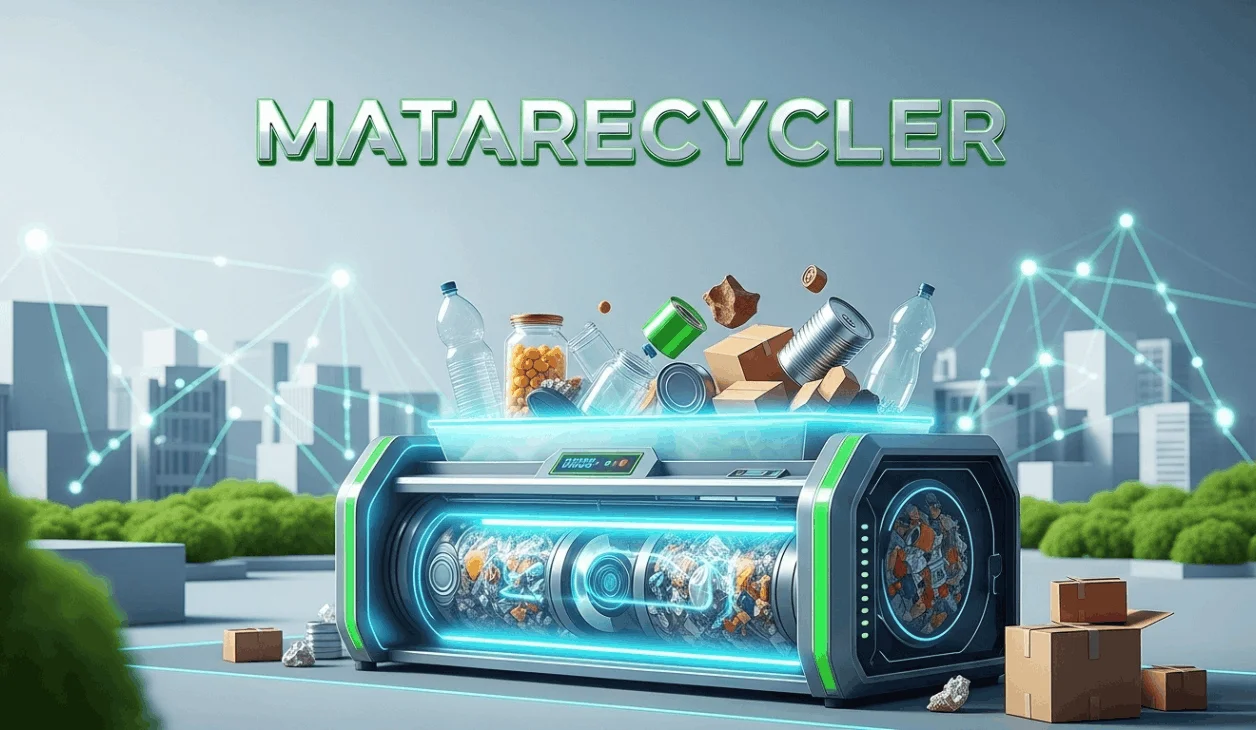
In today’s rapidly evolving digital and environmental landscape, matarecycler is emerging as a modern concept that connects sustainability with smart resource management. As global waste levels continue to rise, innovative recycling systems are becoming more important than ever. Therefore, platforms and ideas centered around efficient reuse, waste reduction, and material recovery are gaining attention across industries.
This article explores what matarecycler represents, how it works, its benefits, and why it matters in the modern sustainability movement.
What Is Matarecycler?
At its core, matarecycler refers to a forward-thinking recycling approach focused on optimizing material reuse through smart systems and structured waste processing. Rather than simply collecting waste, it emphasizes categorization, recovery efficiency, and long-term environmental responsibility.
Unlike traditional recycling methods that may rely heavily on manual sorting, matarecycler models often integrate technology, automation, and strategic planning. As a result, waste management becomes more streamlined, accurate, and environmentally friendly.
In addition, this concept promotes a circular economy. Instead of discarding products after one use, materials are reintroduced into production cycles, reducing the need for new raw resources.
Why Sustainable Recycling Matters
Environmental challenges such as climate change, pollution, and overflowing landfills are intensifying worldwide. Consequently, smarter recycling frameworks are no longer optional—they are essential.
Here are some major reasons why structured recycling systems like matarecycler are critical:
- Reduction of landfill waste
- Lower greenhouse gas emissions
- Conservation of natural resources
- Energy savings in production processes
- Economic growth through green industries
Moreover, businesses and governments are increasingly adopting sustainability goals. Therefore, efficient recycling solutions align perfectly with global environmental strategies.
How Matarecycler Works
The functionality of matarecycler systems revolves around organized waste flow and smart material processing. Typically, the process includes several structured stages:
1. Collection and Segregation
Waste is collected and sorted based on material type—plastic, metal, glass, paper, and organic matter. Advanced systems may use sensors and AI-powered sorting machines to improve accuracy.
2. Processing and Recovery
After segregation, materials undergo cleaning, shredding, melting, or refining. This step ensures that recovered resources meet industry standards for reuse.
3. Reintegration into Manufacturing
Finally, processed materials are reintroduced into manufacturing cycles. As a result, companies reduce dependence on virgin materials and lower overall costs.
Because of this structured approach, matarecycler enhances both environmental impact and operational efficiency.
Key Benefits of Matarecycler
Transitioning to smarter recycling models provides multiple advantages. Not only does it support environmental goals, but it also drives economic and social progress.
Environmental Benefits
First and foremost, waste reduction minimizes soil, air, and water pollution. Additionally, recycling reduces the demand for mining and deforestation, preserving ecosystems.
Economic Advantages
Recycling industries generate employment opportunities in collection, processing, logistics, and technology development. Furthermore, businesses save money by reusing materials instead of sourcing new raw inputs.
Community Impact
When communities adopt organized recycling systems, public awareness improves. Consequently, citizens become more environmentally responsible in their daily habits.
The Role of Technology in Modern Recycling
One of the strongest aspects of matarecycler is its connection to technology. Digital tracking systems, automated sorting lines, and data-driven waste analytics significantly improve recycling accuracy.
For example:
- Smart bins can identify material types.
- AI-based sorting systems reduce contamination.
- Data dashboards help monitor recycling efficiency.
Because of technological integration, waste management becomes measurable and scalable. This means cities and corporations can track performance and continuously improve their systems.
Matarecycler and the Circular Economy
The circular economy focuses on eliminating waste by keeping materials in continuous use. Instead of a linear “take-make-dispose” model, it encourages reuse and regeneration.
Matarecycler supports this philosophy by ensuring that materials re-enter production cycles efficiently. Therefore, it becomes a practical tool for businesses aiming to achieve sustainability certifications and environmental compliance.
Moreover, governments worldwide are introducing stricter environmental regulations. As a result, adopting structured recycling frameworks helps organizations stay ahead of legal requirements.
Challenges in Implementation
Although the benefits are clear, implementing matarecycler systems may face certain obstacles.
Infrastructure Costs
Initial setup for smart recycling plants can be expensive. However, long-term savings often outweigh these upfront investments.
Public Awareness
Without proper education, citizens may fail to separate waste correctly. Therefore, awareness campaigns and community training are essential.
Technological Adaptation
Some regions may lack access to advanced recycling technology. Nevertheless, scalable solutions allow gradual implementation over time.
Despite these challenges, the long-term advantages make structured recycling a worthwhile investment.
Future of Matarecycler
Looking ahead, recycling innovation will continue evolving. With advancements in artificial intelligence, robotics, and sustainable engineering, systems like matarecycler are expected to become more efficient and accessible.
Additionally, global sustainability movements are encouraging businesses to adopt greener practices. Consequently, demand for optimized recycling solutions will likely increase.
In the future, smart recycling hubs may become standard infrastructure in urban planning. As cities grow, waste management will play a central role in maintaining environmental balance.
Practical Steps to Support Matarecycler Principles
Even individuals can contribute to smarter recycling systems. Here are simple yet impactful steps:
- Separate waste at home.
- Reduce single-use plastics.
- Support brands using recycled materials.
- Participate in local recycling programs.
- Promote environmental awareness in your community.
By taking these actions, people help strengthen the overall recycling ecosystem.
Conclusion
Matarecycler represents more than just a recycling method—it symbolizes a shift toward smarter, technology-driven sustainability. By combining structured waste management, automation, and circular economy principles, it offers a powerful solution to global environmental challenges.
Although implementation requires investment and public cooperation, the long-term environmental and economic rewards are substantial. Therefore, embracing innovative recycling frameworks is essential for a cleaner and more sustainable future.
As industries and communities continue to prioritize environmental responsibility, matarecycler stands out as a promising model for responsible resource management and long-term ecological balance.