Sinkom: Understanding Its Role in Communication and Technology
In today’s fast-evolving digital and technical landscape, new terms frequently emerge that spark curiosity and discussion. One such term gaining increasing attention is sinkom. Although it may seem unfamiliar at first, sinkom holds growing relevance across different industries, particularly in communication, technology, and system integration contexts. Understanding what sinkom represents and how it is applied can help individuals and businesses stay informed and competitive.
This article explores the meaning of sinkom, its practical uses, benefits, and why it is becoming an important concept in modern workflows.
What Is Sinkom?
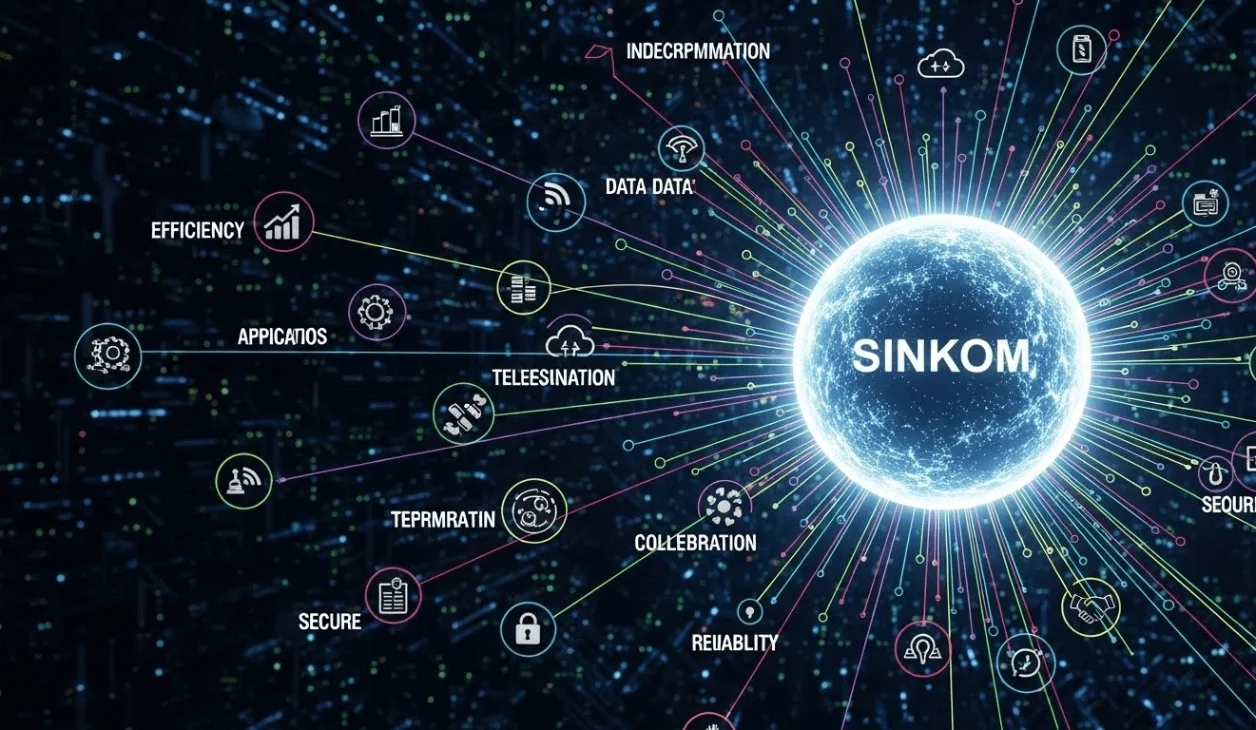
At its core, sinkom is often associated with synchronization and communication systems. The term is commonly linked to processes where data, signals, or operations must work together smoothly and efficiently. While interpretations may vary depending on the field, the central idea remains consistent sinkom focuses on coordination, integration, and seamless interaction between components.
Moreover, sinkom is not limited to a single industry. Instead, it is applied across technology platforms, network environments, and even organizational systems that require structured communication. As a result, its adaptability makes it a valuable concept in today’s interconnected world.
The Importance of Sinkom in Modern Systems
Modern systems rely heavily on real-time data exchange and coordination. Without proper synchronization, errors, delays, and inefficiencies can occur. This is where sinkom becomes essential. By enabling smooth communication between different parts of a system, it helps maintain stability and performance.
For example, in digital infrastructures, sinkom-based approaches can ensure that software modules, databases, and user interfaces remain aligned. Consequently, this leads to improved accuracy and reduced downtime. Additionally, organizations benefit from better workflow management when communication channels are properly synchronized.
Key Applications of Sinkom
Sinkom has a wide range of applications, which contributes to its growing popularity. Some of the most common areas include:
1. Technology and Software Development
In software environments, sinkom principles are used to align processes, manage system updates, and maintain data consistency. Developers rely on synchronized communication to ensure applications function as intended across different platforms.
2. Networking and Communication
In networking, sinkom helps manage data flow between devices and servers. This ensures timely transmission of information, which is especially critical in cloud computing and real-time communication systems.
3. Business Operations
Businesses use integrated communication-based frameworks to align teams, tools, and workflows. When internal communication is synchronized, productivity increases and misunderstandings are reduced.
4. Industrial and Automation Systems
In automated environments, integrated communication ensures that machines and control systems operate in harmony. This coordination minimizes errors and improves operational efficiency.
Benefits of Using Sinkom-Based Approaches
There are several advantages to implementing sinkom in different systems. First and foremost, it improves efficiency by reducing communication gaps. When all components work together seamlessly, processes run faster and more smoothly.
Another major benefit is reliability. Sinkom helps prevent data mismatches and system conflicts, which can otherwise lead to costly disruptions. Furthermore, it supports scalability, allowing systems to expand without losing coordination.
In addition, integrated communication enhances user experience. Whether in software applications or business operations, synchronized systems provide consistency, which users naturally prefer. Over time, this leads to higher satisfaction and better outcomes.
Sinkom and Digital Transformation
Digital transformation has reshaped how organizations operate, making synchronization more important than ever. As companies adopt cloud services, automation, and remote work models, sinkom plays a critical role in keeping everything connected.
For instance, digital platforms often rely on multiple tools working simultaneously. Without proper coordination, these tools may fail to deliver accurate results. integrated communication helps bridge these gaps, ensuring data flows smoothly between platforms. As a result, decision-making becomes faster and more informed.
Challenges and Considerations
Although sinkom offers many advantages, it is not without challenges. Implementing synchronized systems requires careful planning and technical expertise. If not executed correctly, synchronization issues may arise, leading to delays or errors.
Additionally, organizations must consider security. As communication becomes more integrated, protecting data and systems becomes a priority. Therefore, integrated communication solutions should always include strong security measures to safeguard sensitive information.
Despite these challenges, the long-term benefits often outweigh the initial complexities, especially when systems are designed with scalability and flexibility in mind.
Future Outlook of Sinkom
Looking ahead, sinkom is expected to become even more relevant. As technology continues to evolve, systems will grow increasingly interconnected. From artificial intelligence to smart infrastructure, synchronized communication will be a foundational requirement.
Moreover, businesses that invest in integrated communication-oriented strategies are likely to gain a competitive edge. By ensuring efficient coordination and seamless integration, they can adapt more quickly to changes and innovations.
In the future, integrated communication may also play a role in emerging technologies such as the Internet of Things (IoT) and advanced automation, where real-time synchronization is critical for success.
Conclusion
In summary, sinkom represents a powerful concept centered on synchronization and effective communication. Its applications span technology, business operations, networking, and automation, making it a versatile and valuable approach. By improving efficiency, reliability, and scalability, integrated communication helps modern systems function more effectively.
As digital transformation continues to accelerate, understanding and adopting integrated communication-based principles can provide significant advantages. Whether you are a developer, business owner, or technology enthusiast, recognizing the importance of synchronized systems can help you stay ahead in an increasingly connected world.