Nahttypen in Sewing: How to Choose the Right Seam
In the world of sewing and textile work, understanding nahttypen is essential. Whether you are making clothing, upholstering furniture, or creating DIY projects, the right seam can make the difference between a durable product and one that quickly wears out. This guide will cover everything you need to know about nahttypen, including their applications and techniques to elevate your sewing projects.
What Are Nahttypen?
Nahttypen refers to the different ways fabric pieces are joined together. Each type of seam has unique characteristics and serves specific purposes. Seams do more than just hold fabrics together—they provide strength, flexibility, and contribute to the overall appearance of the final product.
Why Nahttypen Matter
Choosing the right nahttypen affects the durability and comfort of a garment or project. For example, a seam on jeans experiences a lot of stress and requires a stronger seam than a decorative stitch on a dress. Using the wrong seam can lead to uneven hems, warped fabric, or unsightly folds.
Common Types of Nahttypen
Here are some of the most widely used nahttypen that both beginners and professionals should know:
1. Topstitch Seam
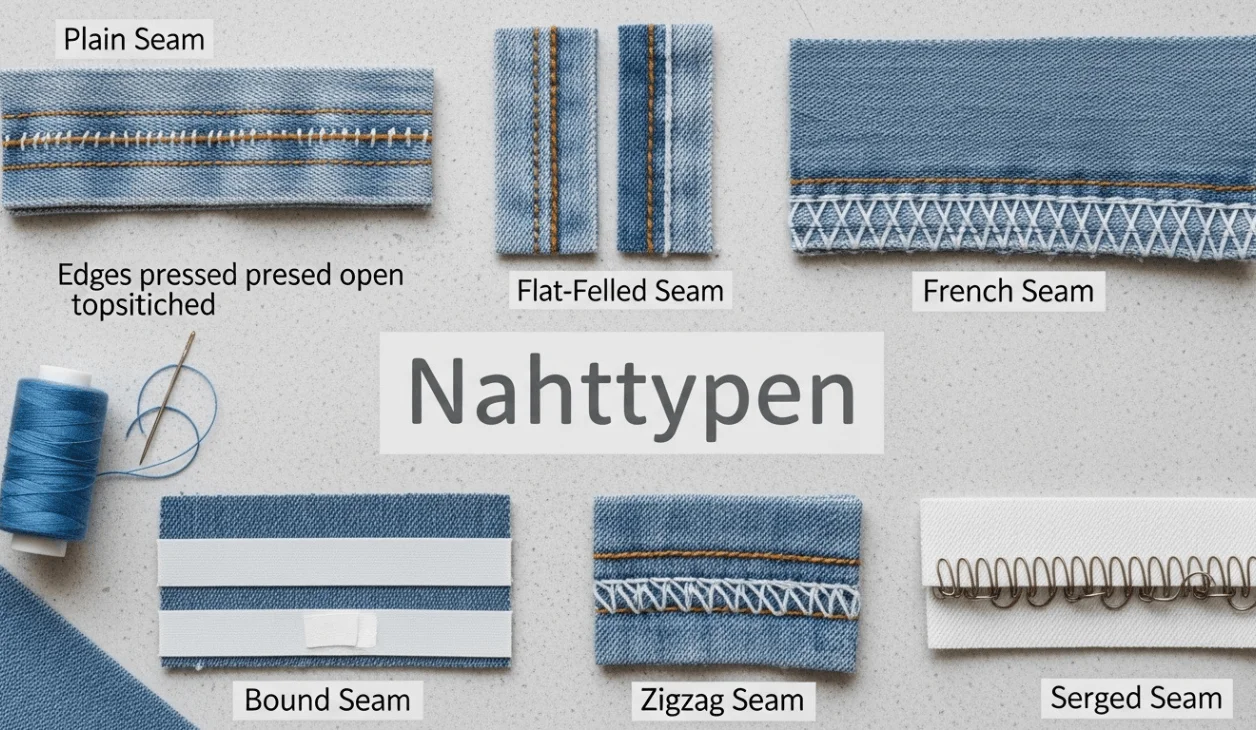
The topstitch seam is one of the most commonly used nahttypen. It joins fabrics securely while also adding a decorative element. This seam works especially well on lightweight fabrics like cotton or linen.
2. Zigzag Seam
The zigzag seam is often used on stretch fabrics because it moves with the material. This seam type prevents fraying at the edges and is ideal for sportswear or elastic fabrics.
3. French Seam
The French seam is an elegant option for delicate or sheer fabrics. It is frequently used for blouses or high-quality garments because it creates a smooth, clean interior edge. This nahttypen combines both aesthetics and function.
4. Overlock Seam
The overlock seam is made with a special overlock machine and is perfect for finishing raw edges. It belongs to the strong nahttypen category and is suitable for high-wear garments such as T-shirts or children’s clothing.
5. Blind Stitch
The blind stitch is an invisible seam type often used for hems on skirts, pants, or curtains. It keeps the connection hidden, which is especially valuable when working with premium fabrics.
Tips for Choosing the Right Nahttypen
Selecting the appropriate nahttypen depends on several factors:
-
Fabric type – The thickness, stretch, and texture of the material influence which seam works best.
-
Stress level – Consider how much tension or wear the seam will experience. Durable seams are necessary for heavy-use items.
-
Appearance – Some seams are decorative and meant to be seen, while others should remain hidden.
-
Sewing method – Certain nahttypen require specialized machines, while others can be sewn by hand.
Practical Applications of Nahttypen
Using different nahttypen in practice not only increases the durability of your projects but also allows for creative expression. For example, topstitch seams can be highlighted with contrasting thread for a fashionable touch, while zigzag or overlock seams provide strength and prevent fraying.
Experimenting with Seam techniques helps beginners develop a better understanding of fabrics, needle types, and thread tension. Over time, you can even combine different seam types to create unique, customized designs.
Common Mistakes and How to Avoid Them
Many beginners make mistakes when selecting or executing nahttypen, but these are easily avoidable:
-
Incorrect thread tension – Too loose or too tight threads can weaken the seam.
-
Wrong needle choice – Using thin needles on thick fabrics or thick needles on delicate fabrics leads to uneven stitching.
-
Improper seam spacing – Too wide or too narrow seams affect both strength and appearance.
-
Unfinished edges – Especially with loosely woven fabrics, securing edges prevents fraying.
Avoiding these errors allows you to take full advantage of the different Seam techniques and improve the overall quality of your work.
Conclusion
Understanding nahttypen is essential for anyone who sews, from beginners to professionals. Each seam type has its own advantages and serves different purposes. Choosing and applying the right Seam techniques can increase durability, enhance aesthetics, and make sewing more efficient and enjoyable.
Regular practice with various Seam techniques will help you develop expertise and confidence. In the long run, this knowledge transforms your sewing projects, making them stronger, more polished, and visually appealing.
Nahttypen are more than just ways to join fabrics—they are a cornerstone of craftsmanship and creativity in sewing.