Scrum Certification in 2026: What Project Managers Need to Know Before They Register
Let me be upfront: I put off getting my Scrum credential for almost three years. Not because I doubted the framework — I was already running sprints, facilitating retrospectives, the whole thing. I just told myself the cert was a formality I didn’t need. Then a role I really wanted went to someone with a PSM I, and my “years of hands-on experience” didn’t move the needle in the way I expected. Lesson learned, the hard way.
If you’re sitting on a similar fence in 2026, this is worth reading before you talk yourself out of it again.
The Market Isn’t Waiting Around Anymore
Spend an afternoon scrolling through project management job listings and a pattern becomes pretty obvious fast. Agile project management fluency used to appear as a “nice to have” buried near the bottom of a job description. These days it’s listed in the first paragraph — right alongside communication skills and stakeholder management. That shift happened gradually, then all at once, and 2026 is firmly on the “all at once” side.
The Project Management Institute’s research pointed to nearly 25 million project-related roles needing to be filled globally by 2030, with agile skills consistently flagged as a critical gap area. Meanwhile, employers in tech, healthcare, logistics, and even government agencies are actively prioritizing teams that can move in short, iterative cycles rather than long waterfall timelines. Scrum just happens to be the most recognized structure for doing that.
Quick Facts: Scrum in 2026
- Over 9 million professionals worldwide now hold a Scrum Alliance certification
- CSM holders report salary premiums averaging around 16% compared to non-certified peers
- Roughly 85% of Fortune 500 companies run agile or Scrum in at least one department
- PSM I has a 60-minute window, 80 questions, and an 85% passing threshold — it’s not a soft exam
What the Cert Actually Tests (It’s Not What Most People Assume)
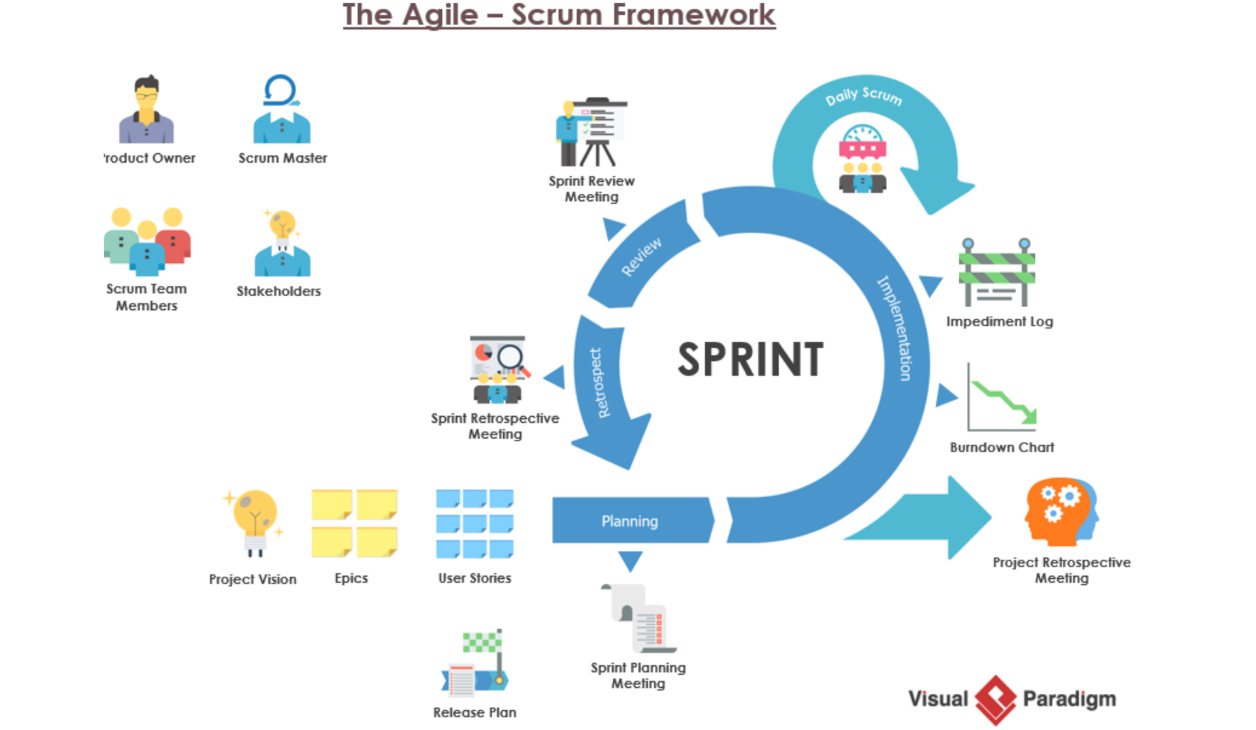
Here’s where a lot of people get tripped up. They’ve been doing Scrum for two or three years and figure the exam will be a straightforward confirmation of what they already know. Then they sit the PSM I and find out that working inside a Scrum team is not the same thing as deeply understanding the Scrum framework.
“I failed my first attempt by four questions. I’d been a Scrum Master for 18 months and still didn’t fully understand the accountability boundaries between the Product Owner and the Dev team.” — Delivery Lead, financial services firm
The exam questions aren’t memory tests. They’re scenario-based — you’re given a real-world situation and asked what should happen according to the framework. That distinction matters a lot. Scrum certification through Scrum.org doesn’t just ask you to recall definitions; it checks whether you understand the principles well enough to apply them under pressure.
The Smartest Way to Prepare (Without Burning $1,500 on a Bootcamp)
Paid classroom courses aren’t useless, but they’re also not the only path — and for a lot of people, they’re genuinely not worth the cost. The Scrum Guide itself is free, concise, and the primary source the exam draws from. Read it more than once. Then, before you book the real exam, put in time with a solid Scrum practice test so you can experience the question format, spot the concepts you’ve been misunderstanding, and build the kind of time confidence that keeps you from panicking at question 60 of 80.
Candidates who simulate exam conditions beforehand consistently perform better on their first attempt. That’s not a surprise — it’s how most professional testing works. Don’t skip that step.
Scrum and the Tools Around It
One thing worth considering as you think about agile project management more broadly: the credential and the toolset you use every day have started to reinforce each other in ways that didn’t quite exist five years ago. Modern productivity platforms have built sprint tracking, backlog management, and team analytics directly into unified workspaces. A certified professional who also knows how to get the most out of those environments doesn’t just understand the theory — they can actually implement it cleanly inside the systems their company already runs.
That combination — Scrum certification plus practical platform fluency — is what makes someone genuinely competitive, not just credentialed.
So, Is 2026 the Year?
Probably, yes. The exam fee is modest compared to the career upside. The prep window, if you’re already working in Scrum, is measured in weeks rather than months. And the credential doesn’t expire in the way some professional licenses do — though staying current with the framework is always smart.
More importantly, the window where “experience alone” was enough to skip the credential is pretty much closed. If you’ve been putting this off, the most practical version of career advice I can give is to stop waiting for a better time. There isn’t one coming.