
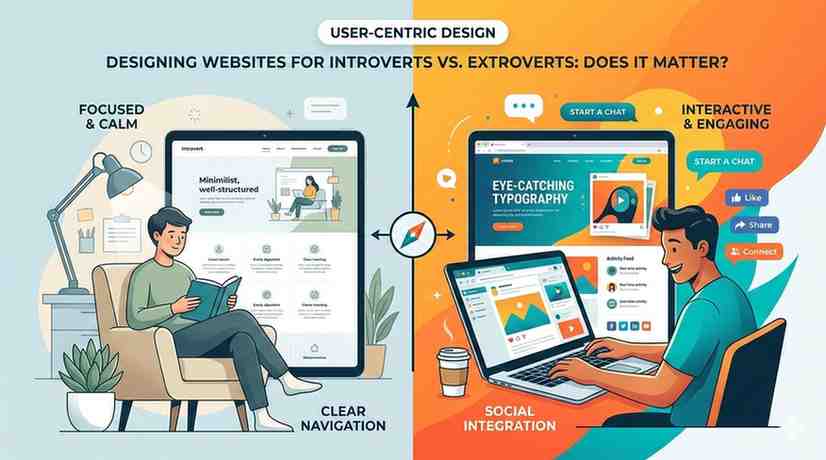
Designing Websites for Introverts vs. Extroverts: Does It Matter?
Personality shapes how people see the world. Personality also shapes how people use the internet. Some users love noise and colour,while some users prefer calm and space. These differences influence how visitors react to web design in Melbourne. Therefore, designers must think beyond trends and focus on human behaviour.
The debate around introverts and extroverts feels lively and modern. Many believe design should speak to everyone in the same way. On the other hand, personality affects comfort and trust. A loud design may excite one visitor. But the same design may overwhelm another visitor. So the question becomes clear and important: Does personality type truly matter in web design?
Let’s find out.
Understanding Introverts in the Digital Space
Introverts gain energy from quiet reflection. They prefer depth over noise and enjoy thoughtful content and clear structure. This does not mean introverts dislike interaction. It means they value calm digital spaces.
An introverted visitor may appreciate simple layouts. They may prefer soft colors and gentle fonts. For example, a website with clean spacing feels welcoming to them. Large blocks of flashing content may create tension. So, design must respect mental comfort.
Introverts also like detailed information. They often research before making decisions by reading reviews and comparing features carefully. Therefore, websites should provide clear explanations and organised sections. Hidden information may cause frustration.
So, professionals in web design in Melbourne often design service pages with layered content. They use expandable sections and clear headings. They also avoid visual clutter that distracts from reading. This approach supports introverted users who enjoy focus.
Understanding Extroverts in the Digital Space
Extroverts gain energy from interaction and excitement. They enjoy bold visuals and strong messaging. They may respond well to dynamic content. This group often makes faster decisions.
An extroverted visitor may enjoy vibrant colours. They may like engaging videos and active chat features. For example, live chat pop ups may excite them. Interactive sliders may keep them interested. So, design can include movement and social proof.
Extroverts also respond strongly to community signals. They value popularity and shared experiences. Therefore, showing testimonials and client numbers can attract them. In Melbourne, many web design agencies use bold call to action buttons. They place these buttons in visible areas. Moreover, they include social media feeds to create energy.
Visual Design Differences
Visual style plays a major role in personality appeal. Introverts often prefer muted tones and soft contrast. They may feel calm when white space surrounds content. This calm allows deeper reading and reflection.
Extroverts may prefer bright colours and large images. They may enjoy bold typography that grabs attention. So, visual intensity can energise them. However, balance remains important for all users.
This is why designers test colour palettes carefully. They consider industry expectations and audience type. Moreover, they use data to guide visual choices. Testing prevents guesswork and supports smarter results.
Navigation and Structure
Navigation style also impacts user comfort. Introverts often prefer clear and predictable menus. They may dislike sudden pop ups or forced interactions. Simple navigation builds trust and reduces stress.
Extroverts may enjoy exploration and discovery. They may appreciate dynamic menus and interactive features. For example, animated hover effects may feel playful to them. So, designers can add subtle motion without causing overload.
Specialists often use structured navigation bars in their web designs in Melbourne. They keep menu items short and direct. Moreover, they ensure mobile navigation remains smooth. A smooth journey supports both personality types.
Content Tone and Messaging
Tone of voice influences emotional connection. Introverts may appreciate thoughtful and calm language. They may respond well to detailed explanations. Direct sales pressure may push them away.
Extroverts may enjoy energetic and enthusiastic messaging. They may respond to bold promises and strong action words. So, brands must define their audience clearly before writing content.
Copywriters can help study brand personality carefully. They can align tone with target market behaviour by testing headlines to see which style converts better. Testing reveals valuable insights over time.
Social Features and Interaction
Interactive features create different reactions. Introverts may prefer optional interaction. They may enjoy email communication instead of live chat. They value privacy and space.
Extroverts may welcome instant conversation tools. They may enjoy community forums and comment sections. For example, interactive polls can increase engagement. So, website features should match audience comfort.
Web designs in Melbourne often include flexible communication options. They offer contact forms and chat tools together. Moreover, they should allow users to choose their preferred method. This flexibility respects personality diversity.
The Role of Personalization
Modern websites can adapt to user behavior. Personalization allows content to change based on interest. This strategy can serve both introverts and extroverts.
An introvert may receive detailed blog suggestions. An extrovert may see trending content and social updates. So, personalisation reduces friction and increases satisfaction.
In web designs in Melbourne, data-driven design grows stronger each year. Designers track behavior patterns with care. Moreover, they adjust layouts based on analytics. Data helps create experiences that feel natural and welcoming.
Does It Truly Matter?
The question remains central and clear. Does designing for introverts and extroverts truly matter? The answer leans toward yes with strong evidence.
Personality shapes comfort and trust online. Comfort influences time spent on site. Time spent influences conversion rates. However, websites rarely serve only one personality group. Most brands target mixed audiences. Therefore, balance becomes the smart solution. A calm structure with moments of energy can serve both groups.
Web designs in Melbourne often go with layered experiences. They combine clean layouts with bold highlights. This blend prevents exclusion and supports wider appeal.
Finding the Sweet Spot
Successful websites avoid extreme design choices. Overly loud design can feel chaotic, while overly quiet design can feel dull. So, harmony becomes the goal.
Designers must understand brand goals and user needs. They must test designs with real users. For example, surveys and heat maps reveal behavior patterns. Testing reduces risk and improves results.
This is why agencies often refine layouts after launch. They track user paths and adjust content placement. Moreover, they listen to client feedback closely. Continuous improvement keeps design effective.
Final Thoughts
Web design in Melbourne continues to evolve with human insight. Designers now study psychology alongside aesthetics. Moreover, they create flexible experiences that respect diversity. A website that feels welcoming to many personalities gains a strong advantage.
For any further information, it’s better to speak directly with an expert like Make My Website. If need be, feel free to get in touch with them via phone or email. Your website will receive all necessary upgrades with their support.
Good luck!